Building Acoustic Treatment Wall Panels
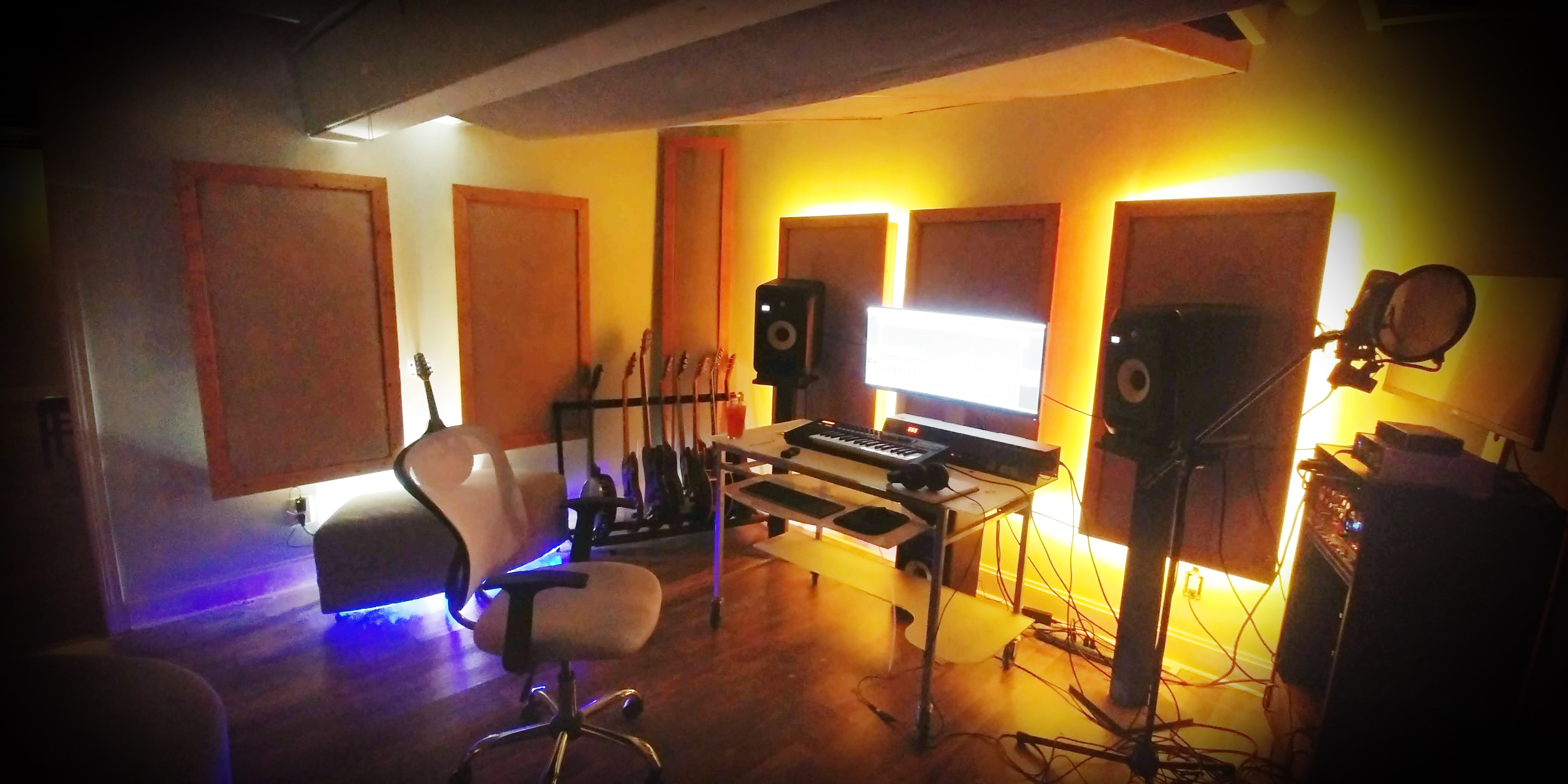 Jimmy from KRK here, and I wanted to share my experience of building my own sound panels for a home studio. I built wall panels, corner traps, and an overhead-cloud which will be shared on three separate articles—this article is strictly about building wall panels. KRK pioneered the home recording revolution and it is no secret that many recent hit songs have been either partially or completely recorded and mixed in a home or project studio. Whether you are in a basement, a bedroom, or a living room, acoustic treatment will go a long way for your final production results. Many overlook the importance of sound treatment after spending a lot of money on high-end recording gear. Quality recording gear such as a pair of KRK Monitors is certainly important, but it is also important to keep in mind that good gear magnifies the sonic environment for better or for worse. Sound treatment panels help shape these scenarios for more professional results.
Acoustic treatment wall panels are very important for a few reasons:
- They absorb the first sound reflections from the speakers so that the frequency waves are dampened and tamed.
- In general, they absorb the sound in the room to control echo and reverberation. For modern music creators this is essential because many people track vocals and instruments in the same room as the mix position.
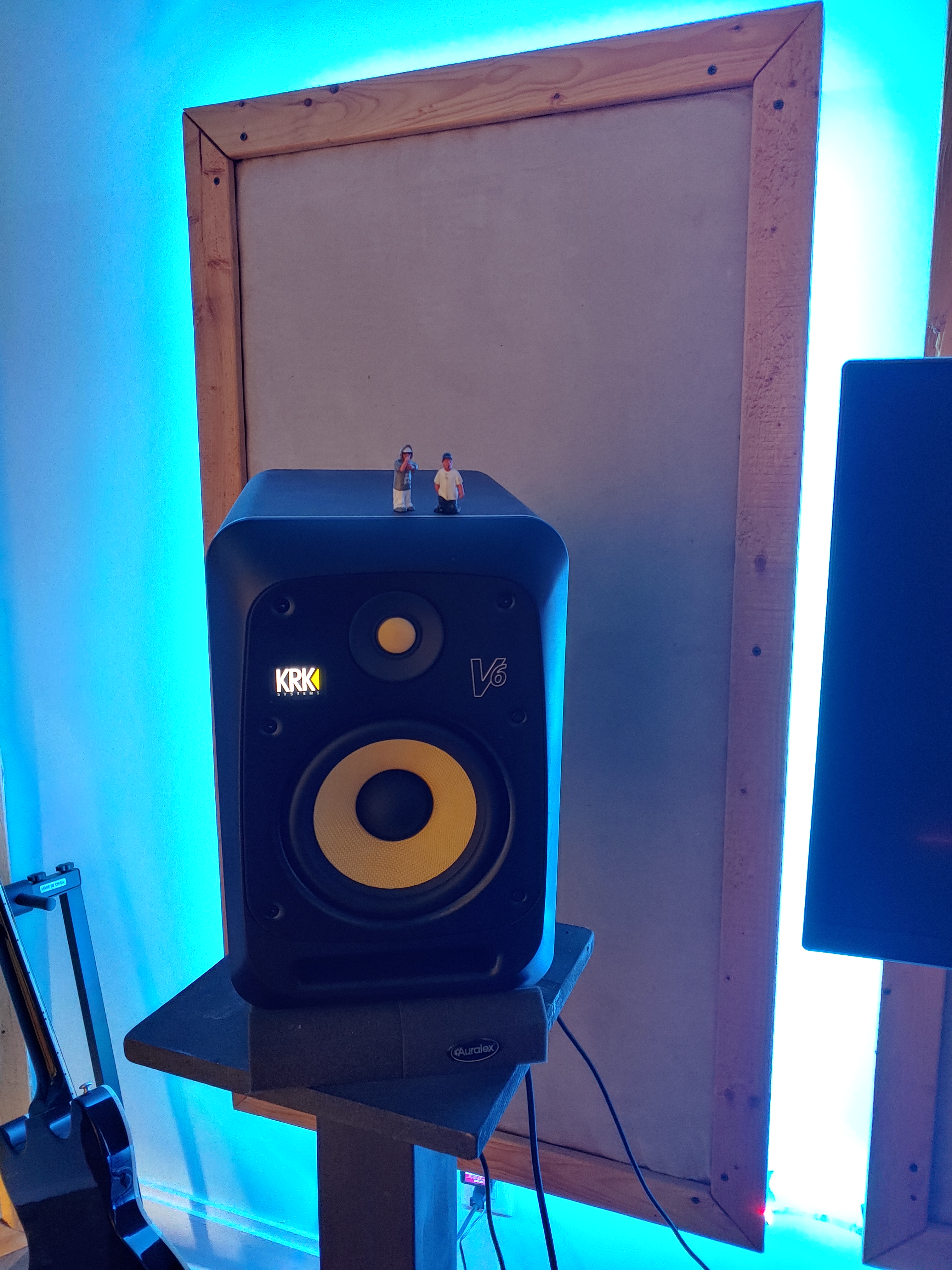 For truly professional results, it is essential to have a controlled environment for tracking, mixing and mastering. For those on a budget and space-constraints, it is difficult to create a perfect listening environment unless you are building a room from scratch (floating room, sound proofing inside the walls, etc.,) but it is possible to greatly improve your surroundings for successful professional results. A smart way to look at it is to figure out what it is you are trying to accomplish before you purchase or build anything. Some of the important questions to ask are:
- How much can I afford to put into the project?
- (I wanted to keep my costs as low as possible.)
- Is it important for the place to look professional?
- (I wanted to room to look as professional as possible.)
- Will a room with a “vibe” make you or whoever is using the room feel more creative?
- (I wanted a great vibe to the room.)
- What are the basic sonic elements and trouble-spots in the room?
- (I have an uneven 13.5-foot x 11-foot room with low ceilings which creates a lot of bass problems.)
- Will the room be used for mixing, recording, mastering, or for everything?
- (I will be using the room for mixing, recording (including vocals and acoustic instruments), and some mastering depending on the project.)
- What genre of music will the room be used for (i.e. Hip-hop with a lot of low end, Jazz, Rock, EDM, etc.)
- (I will be using this room for many genres of music.)
In this article, by taking all those questions into consideration, I came up with a game plan to build my own acoustic treatment for the room.
Before I go into any detail, I would like to mention that I am not a professional carpenter, and these are not direct instructions on “how to” build acoustic panels. In this article I show how I built my sound panels—and if you attempt to build your own you are responsible for how you use this information to build and install them on your own, and at your own risk. You are responsible for how you use this information. I am also not claiming in any way to be an expert on this matter. I simply did some research, talked to a lot of trusted friends, used my past studio experience, and then built the panels in my own way. Also, I used some basic power tools and hand tools that I will recommend, so if you are uncomfortable using tools please seek help from a professional – thanks!
(Click on any of the images below for a larger image.)
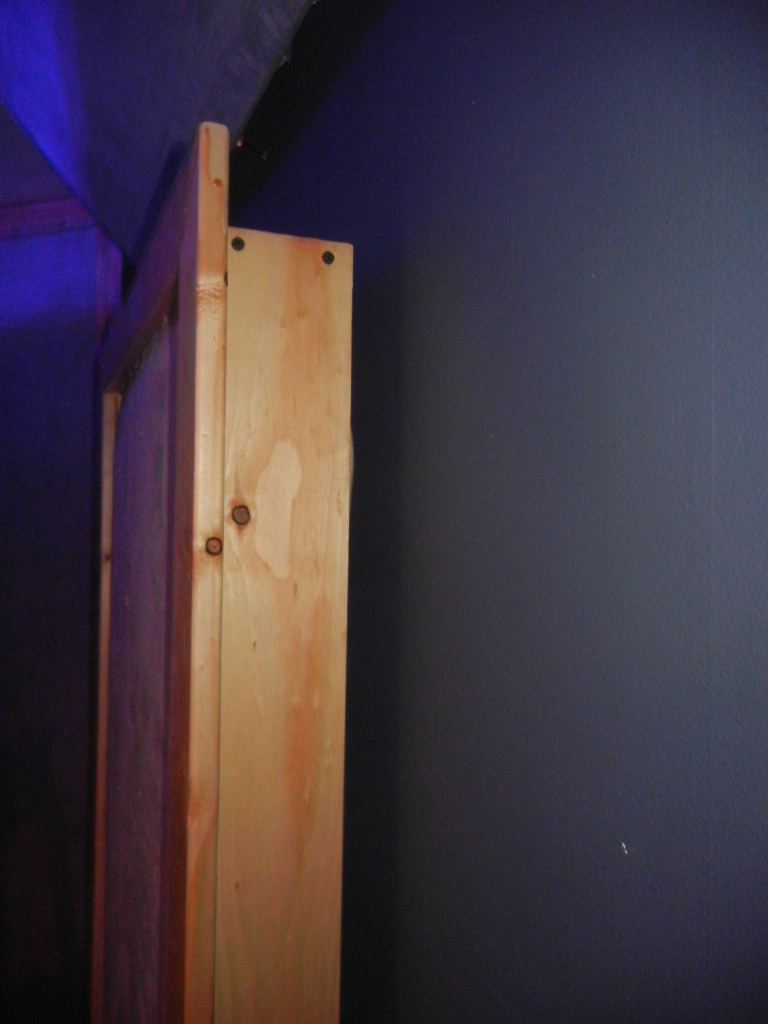 For my room I measured the walls and decided that I would place eight (8) 4-foot x 2-foot x 4-inch panels strategically hanging around the perimeter. From research and talking to those who have built panels, I decided that these panels would not go flush against the wall but rather would sit 1.5-inches away from the wall. This creates an air gap that allows the panel to absorb sound from both sides which in turn creates greater sound absorption. Later in this article I will explain how I accomplished this feature.
After pricing out the insulation, I decided to go with a mix of Owens Corning 703 (I actually used Knauf which is the same specs just more organic) and Rockwool sheets both being 4-foot x 2-foot x 4-inch (I had to double up the Knauf as it came in 2-inch thick sheets.) From what I understand they are very similar in nature but the Knauf and OC703 are more expensive.
Here are estimated costs for building one panel:
- Roxul 4-inch thick Mineral Wool 4-foot x 2-foot sheet, Cost: $14.50
- (2) 8-foot x 3-inch x ¾-inch Furring strips (wood) from Home Depot, Cost: $2.75 (for the exterior frame)
- (2) 6-foot x 4-inch x ¾-inch Pine, Cost: $11.13 (for the box-frame)
- Fabric – CASTIELLE ACOUSTIC SUEDE FABRIC BY THE YARD, Cost: $6.50 (1 panel)
- Wrapping for back of panel- Home Depot paper-throw tarp, Cost: $1:75 (1 panel)
- Screws for assembling the box and frame, Cost: $.72
- Screws for mounting the panels to the wall, Cost: $.10
- 3/8 Staples, Cost: $.35
- Polyurethane/Stain, Cost: $.95
Tools Used:
- Sandpaper (I used a motorized sander which was easier)
- Electric Power Miter Saw (you can very easily achieve the same cuts with a hand saw)
- Pro grade staple gun (not electric)
- Staples (“T50 3/8th” 10mm Heavy Duty made by Arrow)
- All-in-one polyurethane/stain and a brush
- Stud-finder
- Philips head screwdriver (I used a power driver, but a regular screwdriver will work fine)
- Knee pads
- Protective rubber work gloves, eye protection, and a breathing mask
BUILD THE BOX-FRAME – MEASURE AND CUT THE WOOD: There are basically two components to the frame on these: The box-frame that houses the insulation, and the external frame that goes over the box to make it look nice. For the box-frame, I first took each 6-foot board and cut them down so that there were two (2) 4-foot pieces, and two (2) 2-foot pieces.
 SAND THE EDGES: Using a power sander (you can easily accomplish the same task with sandpaper) I sanded down all the edges of each piece and made sure there were no splintering ends popping up. So now I had 4 sanded pieces of wood to work with.
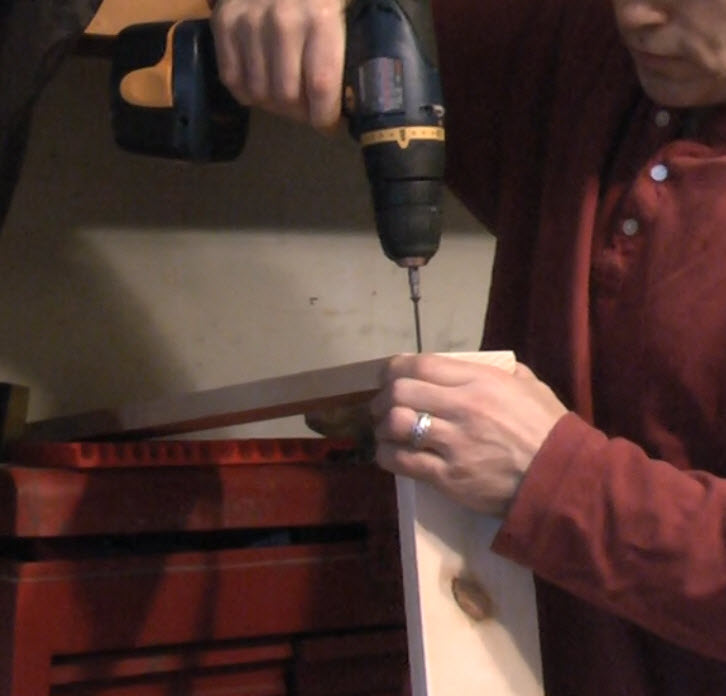 BUILD THE FRAME BY SCREWING TOGETHER THE PIECES: This can get a bit tricky if you are working alone. Joining the first 2 pieces of wood are the hardest. The ends of a long piece and a short piece are joined with the short piece on top. Using a table as a sawhorse to stabilize the pieces since I am working
 alone, I lined up the pieces and drove the first screw in so that it went through the top end of the short piece into the end edge of the long piece. I drove the screw in very slowly and carefully to minimize the chance of splitting the wood. The second screw was then driven into the other end of the corner.
 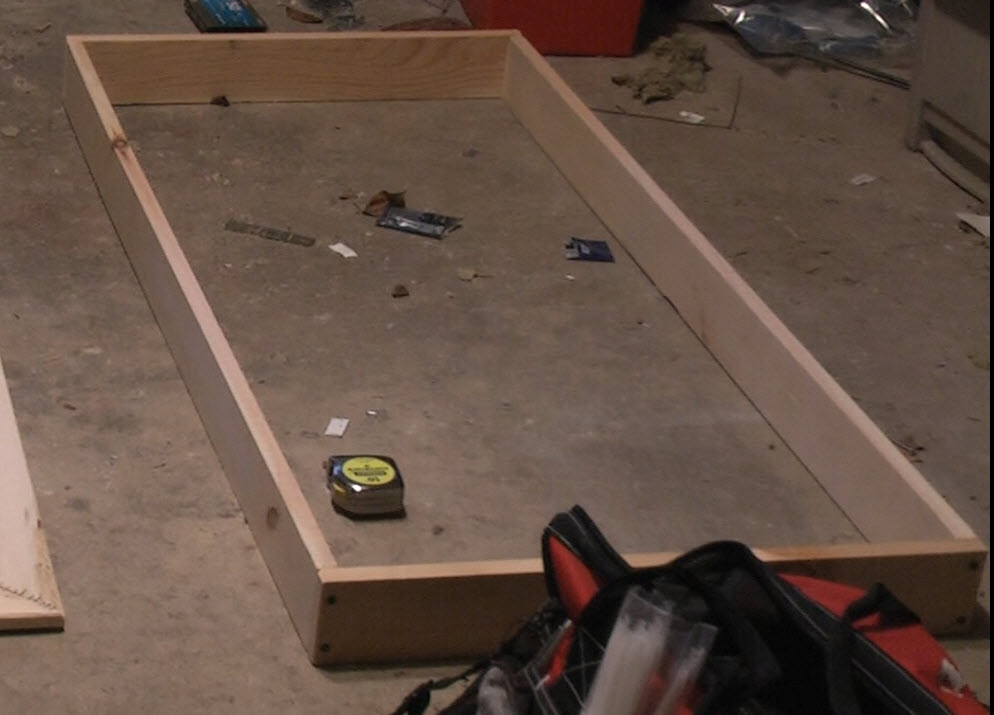 Once the two screws were in, I then worked my way around the perimeter of the frame until the box was built. The most important thing to remember here is to make sure the screws are put in straight, and to try to drive the screws down the middle of the long pieces.
BUILD THE EXTERIOR FRAME – MEASURE AND CUT THE WOOD (FURRING STRIPS): The exterior frame is what makes these panels look professional. To accomplish this,  first I exactly measured the inside perimeter of the box-frame so that I knew how to cut the exterior frame. The exterior frame goes over the box-frame, so it overlaps—meaning that the inside perimeter of the exterior frame is smaller than the inside perimeter of the box-frame. This helps to keep the insulation in place and makes it easier to staple in the fabric – it also covers up the box-frame. So, with my inside perimeter of the box-frame being 48-inches x 22.5-inches, I measured out the furring strips and made my 45 degree angle cuts so that the inside perimeter of the furring strips were 46.5-inches x 21-inches. This created an overlapping boarder over the box-frame to keep in the insulation and fabric.
SAND THE EDGES: I then sanded the edges of the furring strips with a power sander so that there were no rough edges to be found.
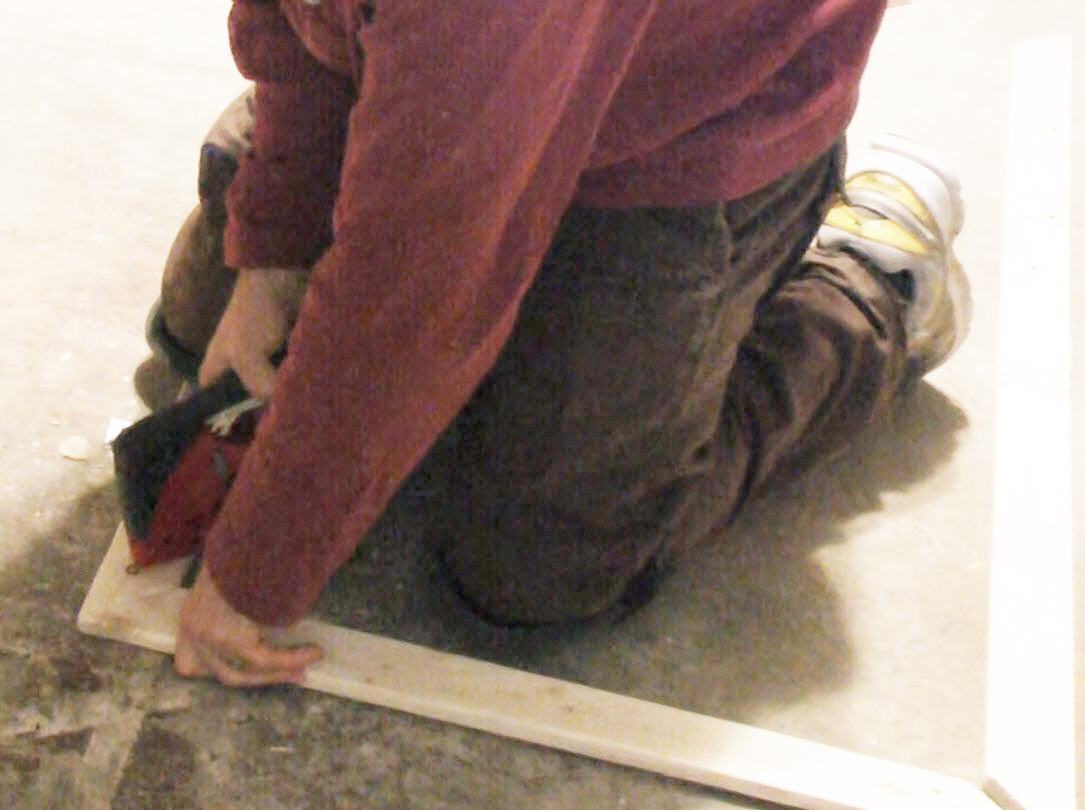 ASSEMBLE THE EXTERIOR FRAME: I inspected the wood and identified the best sides. These furring strips are so cheap that you must check out each piece to make sure they are visually suitable, and usually one side is better than the other. Next, I laid out all 4 pieces on the ground upside down so that the staples that join the pieces are not on the visible side. Starting in one corner, I then began to staple the pieces together until the frame was one rectangular piece.
 ATTACH THE EXTERIOR FRAME TO THE BOX-FRAME: The biggest thing to remember here is that the exterior frame is not very stable until it is screwed into the box-frame. So, knowing this I carefully lifted the exterior frame in one motion, flipped it over and placed it on top of the box frame. Starting at one of the 2-foot ends, I visually lined up the frame so that it was evenly placed on the box-frame. This is not too important because you can manipulate how it sits as you start to screw it down. I then took a screw (the same screws as the other step) and in one corner, carefully screwed through the top of the exterior frame into the edge of the box-frame.
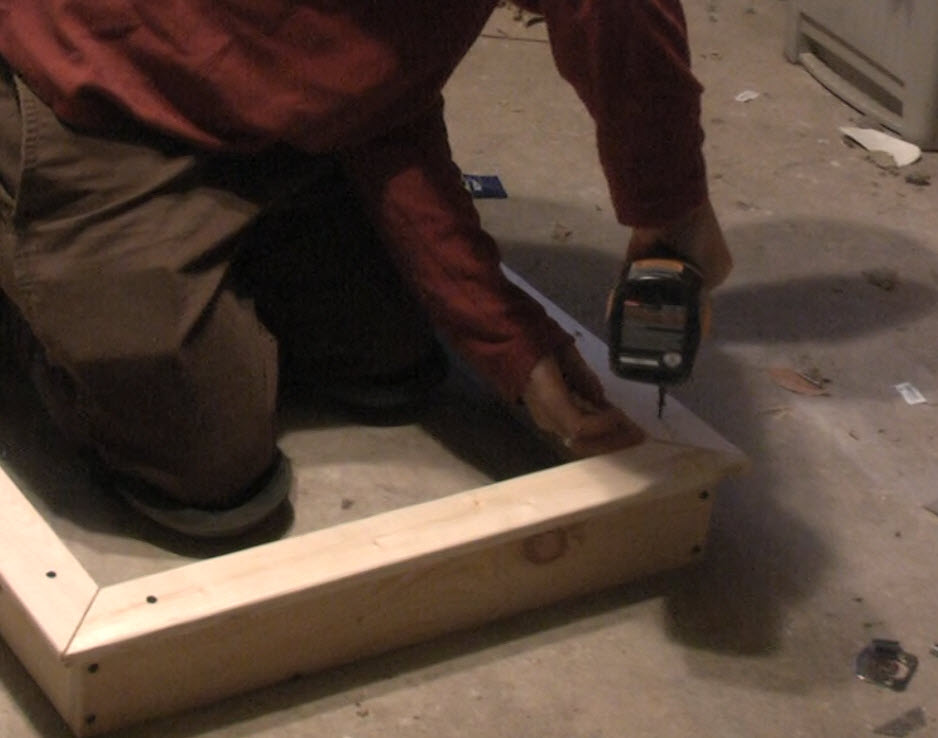 This can be tricky as you must make sure you are aligning the screw correctly so that it hits the middle of the box-frame edge. The best way to do this is to move to the opposite corner and then align and drive another screw. Continue onto the other end and manipulate the exterior frame so that it lines up straight. Once you have 4 screws in the corners and the exterior frame is straight and aligned properly over the box-frame, continue to drive 4 more screws into the opposite edges and then more screws in the middle of the frame for stability.
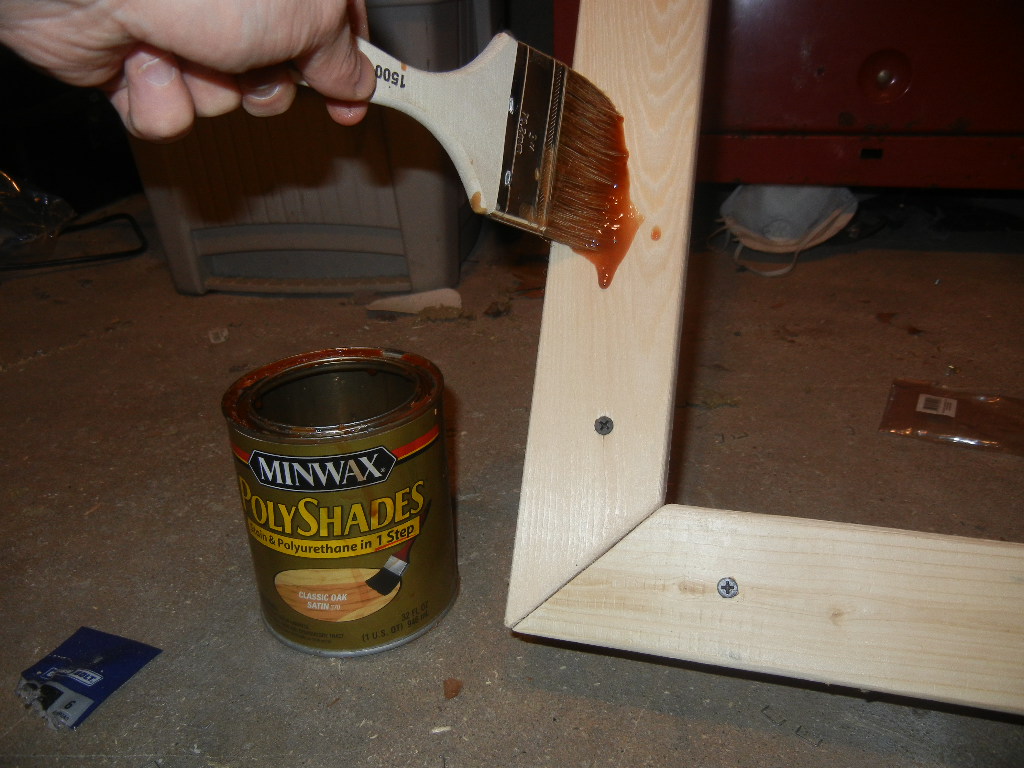 STAIN AND POLYURETHANE THE FRAME: After the frame was assembled, I used an all-in-one polyurethane/stain to finish the panel. You can also paint the frame, but either way make sure that you allow it to dry so that you do not ruin the fabric when you go to the next step.
 STAPLE IN THE FABRIC: After the frame dried, I turned it upside down and stapled in the fabric. It is important to note that the fabric is being stapled to the underneath-overlay of the exterior frame. The best way to do this is to start in one corner and work your way down the long side laying in staples about every 5 inches or so. The corners are the most
 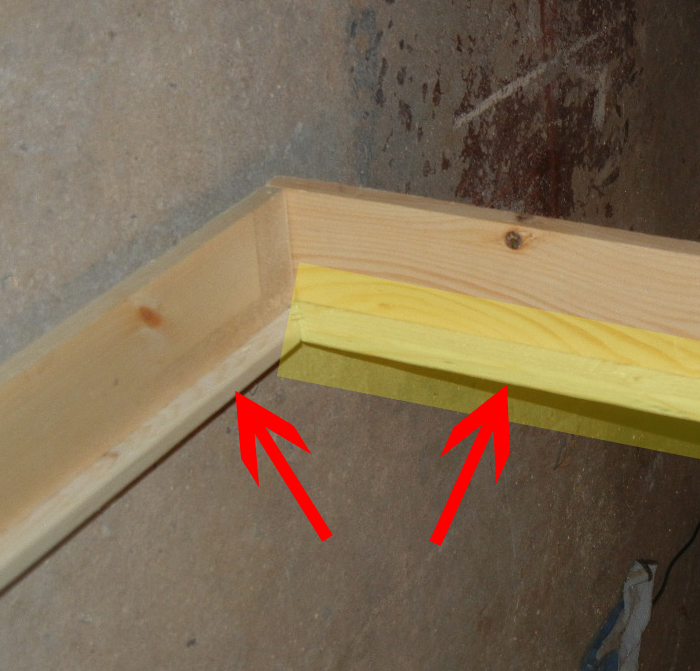 important thing to consider. Next lay in staples on a short side and continue along the other long side. You need to get a feel for it, but you want to gently pull the fabric as tight as possible without ripping it out from the other side. You want to pull the fabric toward you and away from each last staple you laid in. Leaving one short side un-stapled, I then went back between the 5-inch staples on each long side and laid in more staples pulling the fabric tighter. Finally, I went to the last short side and laid in staples to pull the fabric as tight as possible. It is helpful at this point to double check the corners to make sure they are covered and tight.
LAY IN THE INSULATION: Wearing protective gloves, 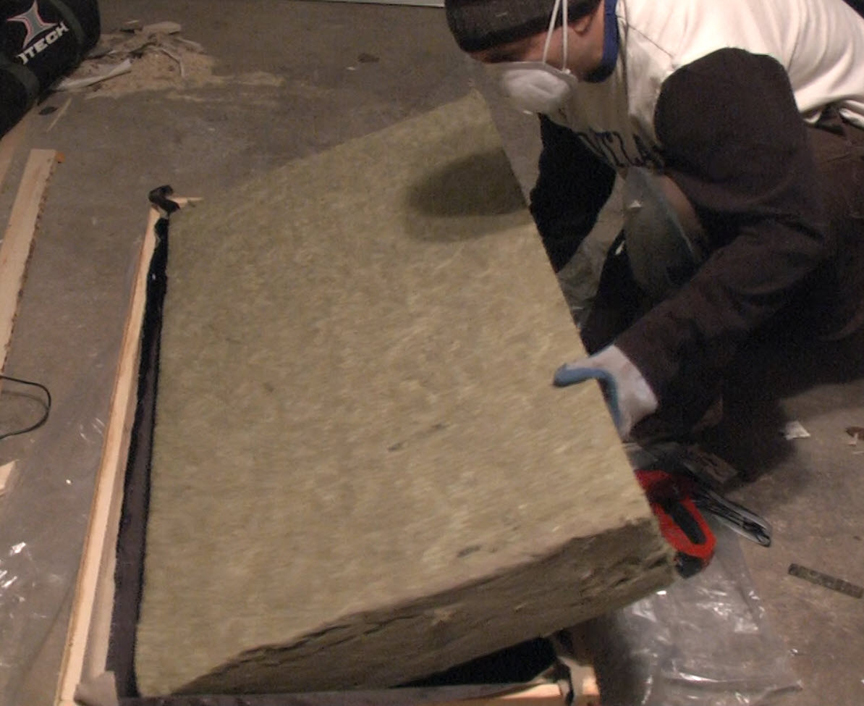 a long sleeve shirt and a low-grade breathing mask, I handled the insulation carefully and laid it into the upside-down frame. I then stapled the insulation to the box-frame around the perimeter, but did not go overboard on this step.
 WRAP AND STAPLE THE BACK OF THE PANEL WITH PAPER/POLY DROP CLOTH OR WRAP COMPLETELY IN FABRIC: As I stated before, I was going for a “cost-effective” approach here with my whole room. One of the ways I saved money was by covering the back of the panels with the above noted cloth, opposed to wrapping each panel completely in the acoustic
 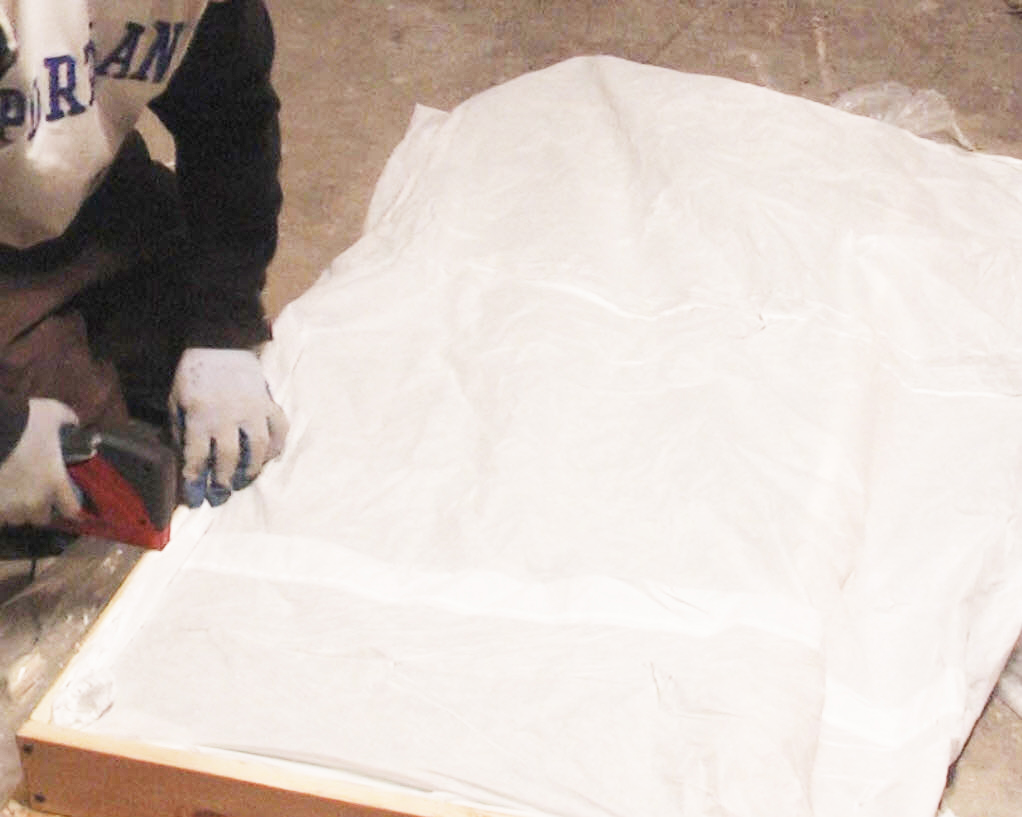 fabric. I think wrapping the insulation completely in fabric is much easier and probably a much better all-around solution, but in my case, I was trying to save some money. I achieved this by just sealing the back off with the cloth and staples. I went around the perimeter of the frame over the insulation, and then I folded the cloth back over so that it was double wrapped.
INSTALLING THE PANELS TO THE WALLS: After many considerations, I came up with a unique and inexpensive way to get these panels up on the walls using 4 short screws and 1 long screw—this created that air-gap which creates even better sound absorption. Since the wood I used was so inexpensive, it was also very light which helped with the installation.
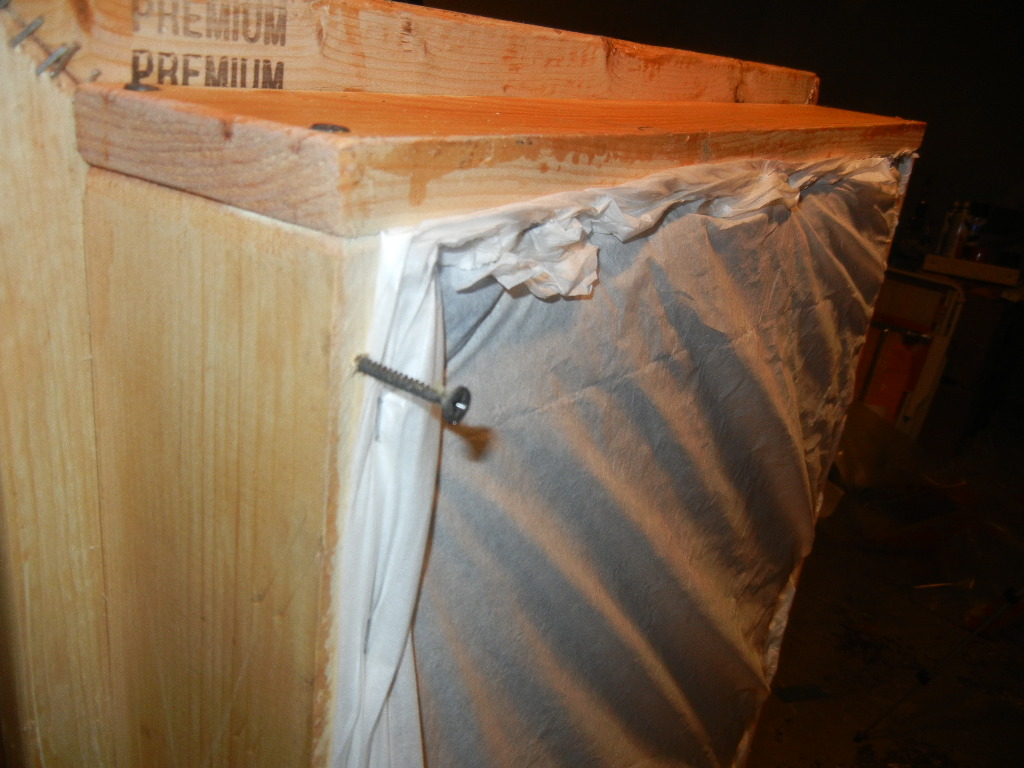 Using the same screws to assemble the frames, I drove in a screw in the back of each corner so that there was 1.5-inches from the head of the screw to the frame. Once hung, this created the “air-gap” between the panel and the wall that I was talking about earlier in this article.
Next, I found the first points of reflection on each wall and determined where to place the first two (left-wall and right-wall) panels (search: “acoustic panel mirror trick” for help with placement). Once I determined this, I then used a stud-finder to see if I could utilize a wall-stud to drive the holding screw in. On one wall I got lucky and on another I was forced to use a heavy-duty wall anchor.
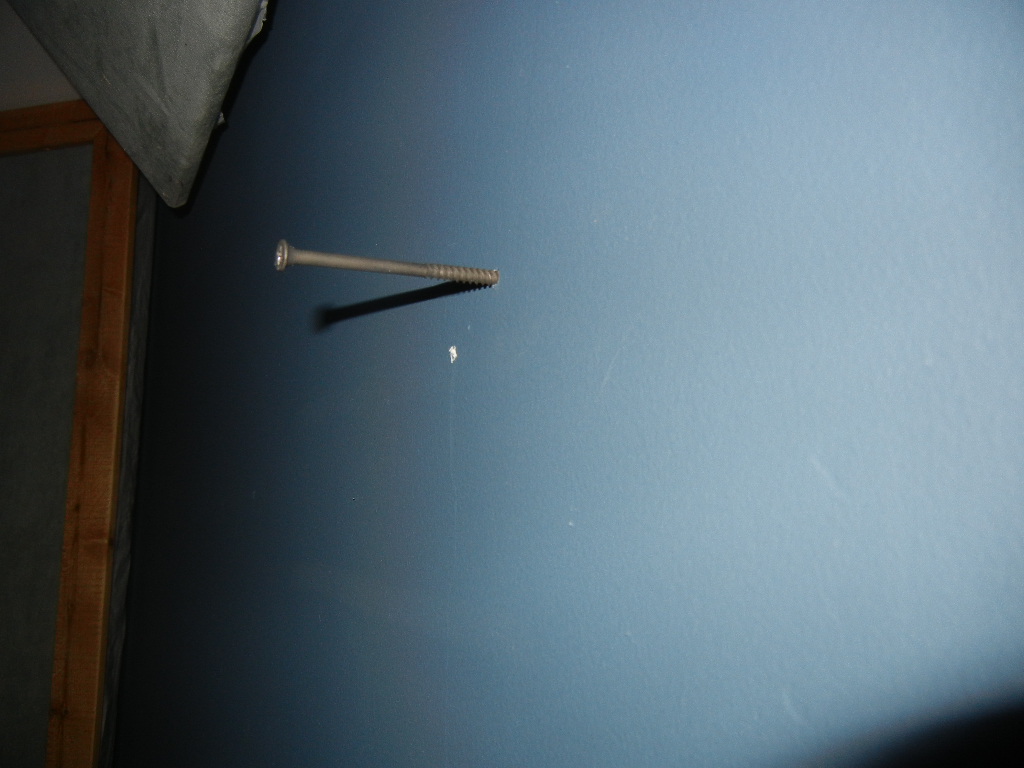 On the wall, I made a mark roughly where the speaker cone hits and then I made two more marks roughly where the top and bottom of the panel would be centered vertically considering the cone height. Referencing by eye, I then drove a long 6-inch screw into the wall so that roughly 3-inches were exposed. I then simply hung the panel on that screw and the 1.5-inch screws rest against the wall to create the gap. In my case, nothing brushes up against these panels, but you may want to come up with a more secure installation method if there will be a lot of activity around the panels.
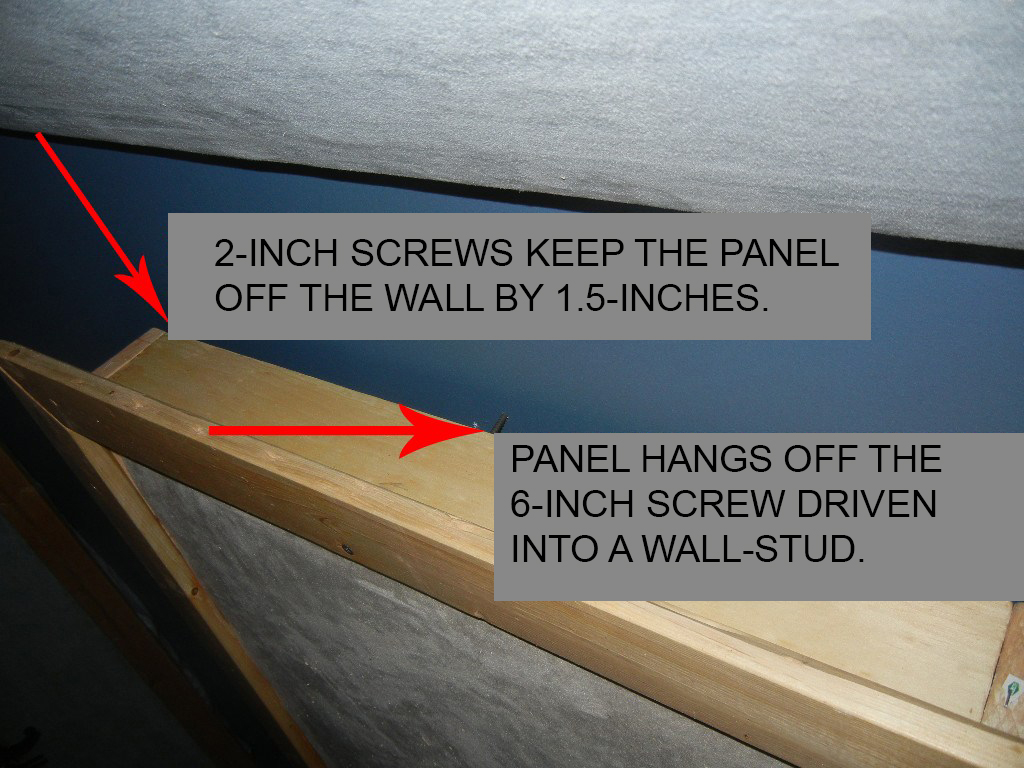 The result is 8 professional-looking custom panels floating off the walls. The difference in the sound control of the room is astonishing and the look is very professional. The clarity and control I now have from my productions are accurate and inspirational, especially knowing that what I am hearing will translate correctly though other listening environments and devices.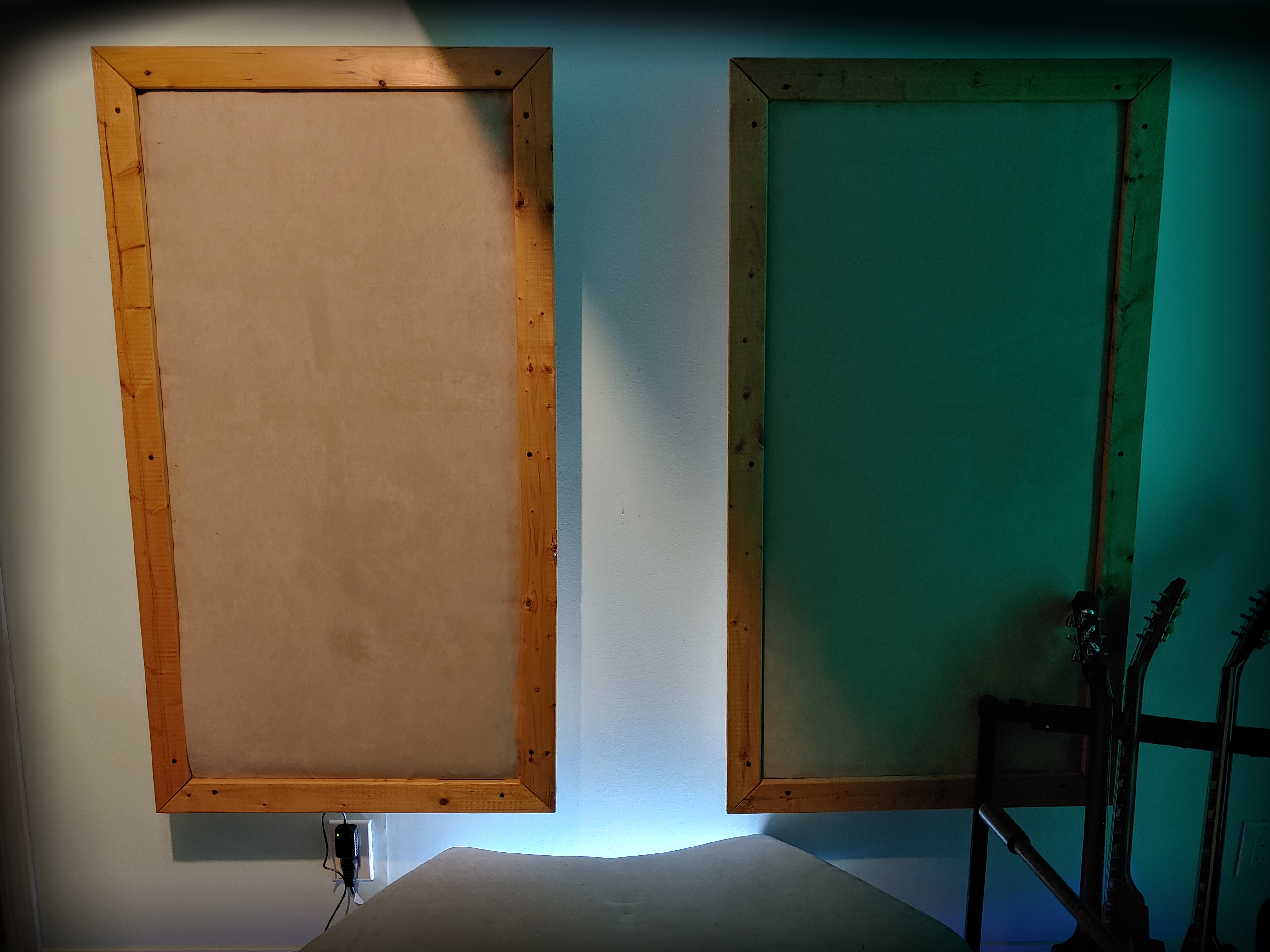
Next month I will focus on Part 2–corner trap panels. Thanks for taking the time to read this and please post questions and comments below.




 American Idol Top-10 finalist Dennis Lorenzo offers insight on influence and a list of artists who helped sculpt him into a diverse music creator.
 ROCK
ROCK On the other side of the spectrum, which I happen to be most known for, we also listened to the likes of Donny Hathaway, Jill Scott, Boyz II Men, The Temptations, and Whitney Houston among many other great soul artists of my time and before. Actually, the first time my Mom found out I could “really sing” (as she puts it), was when I sang the high note at the end of “Love” by Music Soulchild in the backseat of her car when I was 10—and I didn’t think she was listening. Soul and RnB music was surely the default in my household growing up.
 Future, Migos, Mike Will Made It, Rae Sremmurd, Rich Homie Quan, Young Thug, I mean the list goes on. Trap wasn’t just a genre of music in Atlanta, it was a lifestyle. I’ll never forget the first time I heard the “S**t” by Future. I was like “What the hell is this?” It was different from NY, Philly or Jersey’s style of Hip Hop, there were no boundaries, and the 808’s were booming! The song “Versace” by Migos and Drake pretty much shaped a new sound for hip hop, along with artists like Lil Wayne. And the Migos are from ATL. It’s almost like Atlanta trap became the new Pop music. I was immersed in the culture. So much that I taught myself how produce trap music! It became my favorite thing of all time. A common joke among my brothers and I was how they’d hear/see me late at night, breathing heavily, slamming keyboard keys, and being blinded by my MacBook light, with my headphones blaring (I’m laughing as I write this thinking back). By the end of 2015 however, I came to a realization that I didn’t want to fully accept: my time in Atlanta had reached its peak, I had to make a move that would take me to the next of my artistry, and not just as a producer, so I moved to LA.
 About 2 and half years after I moved to LA, I got my first “big break” on American Idol. The most important part of that journey was when I sang “In My Blood” by Shawn Mendes. When I finished, Lionel Richie brought himself to his feet and said to me “I just want to congratulate you because there is a time in every performer’s life, when you actually break through the ceiling, and you’re introduced to your new self. You have just taken that next step my friend. I am very proud of you!” After that Katy Perry said that I’m “Alternative” and that I remind her of Chris Cornell, another one of my biggest influences.
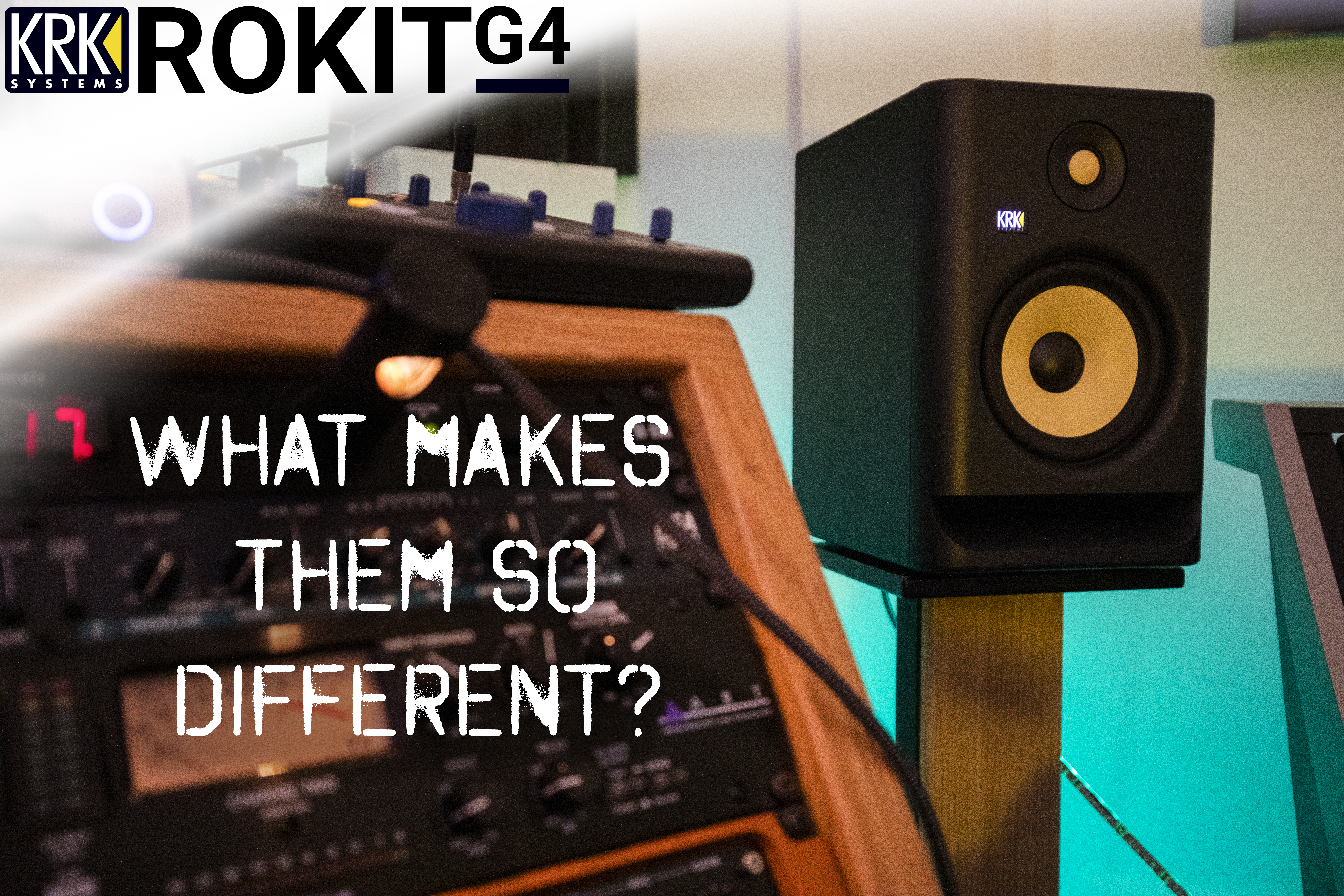 Not too long ago, we released the new generation 4 (G4) of the ROKIT professional studio monitors. Over the years many monitors have come and gone, but the ROKIT legacy is unlike any other studio monitor and surely you have seen the iconic yellow cones everywhere. Some have even contended that the ROKIT monitors are to home recording, to what the old NS-10s were to professional studios back in the day.
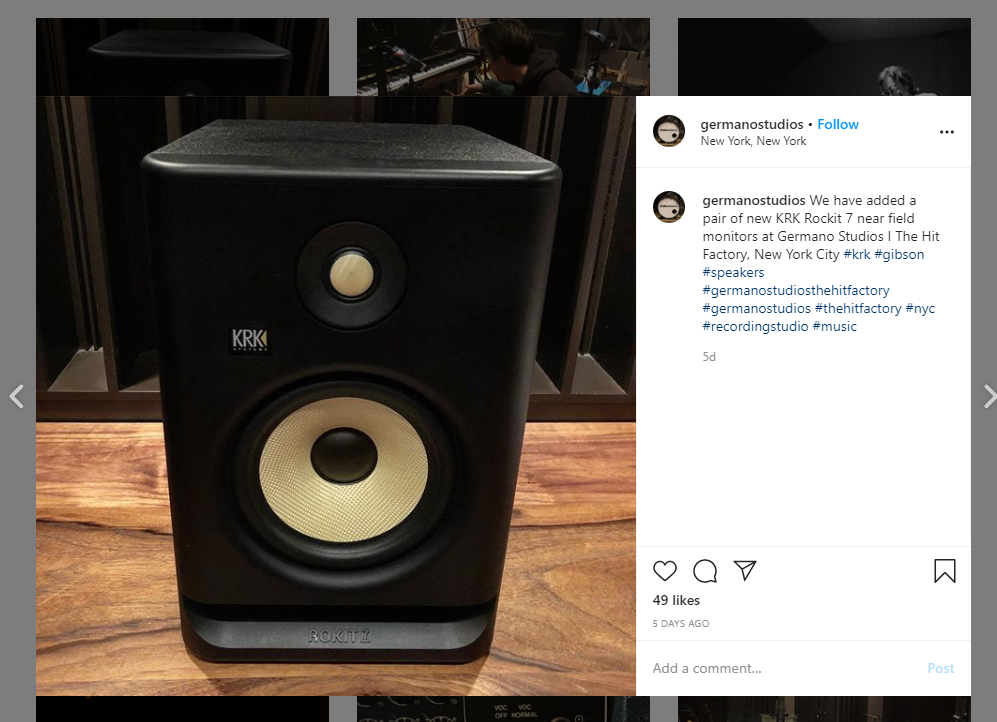 Fast-forward to 2020, and it’s no secret that most of those big-player recording studios have closed due to the fact that musicians and songwriters can record professionally on their own. There will always be a need for large-scale/hi-end awesome studios such as The Hit Factory in New York City (who utilize ROKIT G4 7” monitors for reference speakers among others), but even most productions out of those studios have some tracks recorded at home.
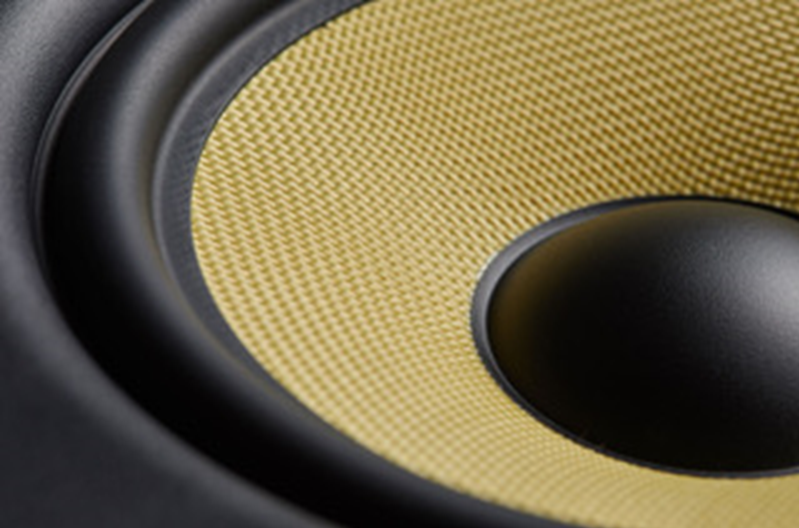 First and foremost, the ROKIT G4 monitors are new from the ground up. These monitors were not “built on” a previous monitor line, and have all new components. Behind those components are painstaking years of research and development in order to make an affordable monitor that can compete with others way beyond their price range. For example, the drivers are made with a top-quality rigid aramid fiber found in monitors far beyond the ROKIT G4 price tag. This material is used in both the woofer and the tweeter so that the frequency reproduction is accurate and balanced throughout the whole frequency range.
 Also, the custom cabinet itself was designed at our lab in the USA in a way so that all the parts on the inside work together in harmony to reproduce the most accurate sound. This is important because every small part to a monitor can make it sound different—we used science to make sure the physical parts and location-layout all worked together to correctly aid the voicing of the monitors.
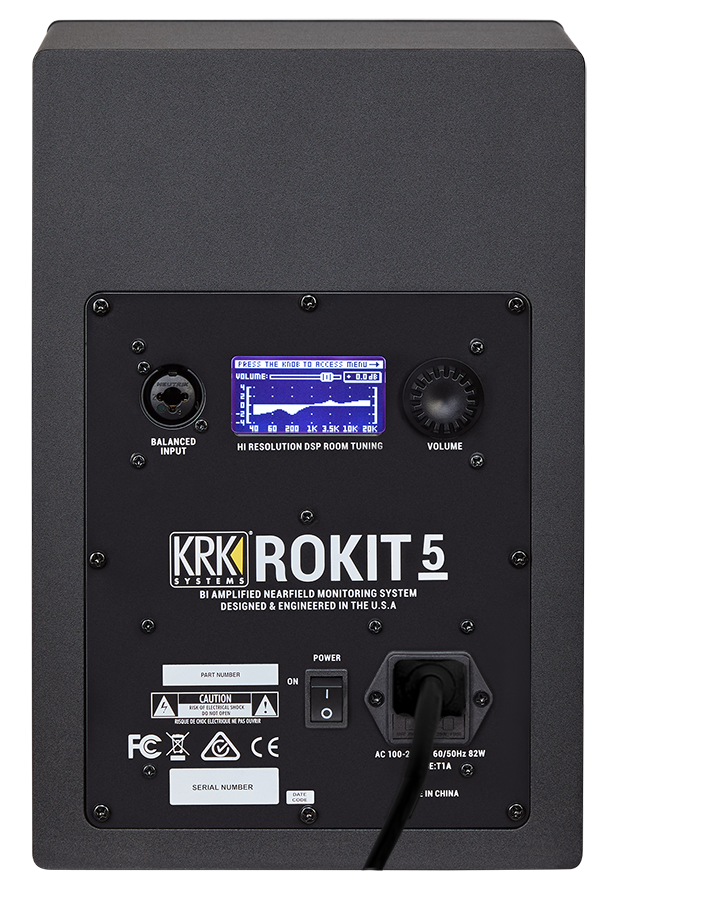 OKIT G4 is the only monitor in its class with an LCD display which helps the user understand the chosen EQ and frequency response. There are also other preferences and options that can easily be utilized on the LCD making it a super user-friendly experience. The tactile selection knob dials through the presets and options and has a “push to select” feature which makes it simple to navigate. This LCD directly ties into the next feature of built-in room acclimation and tuning.
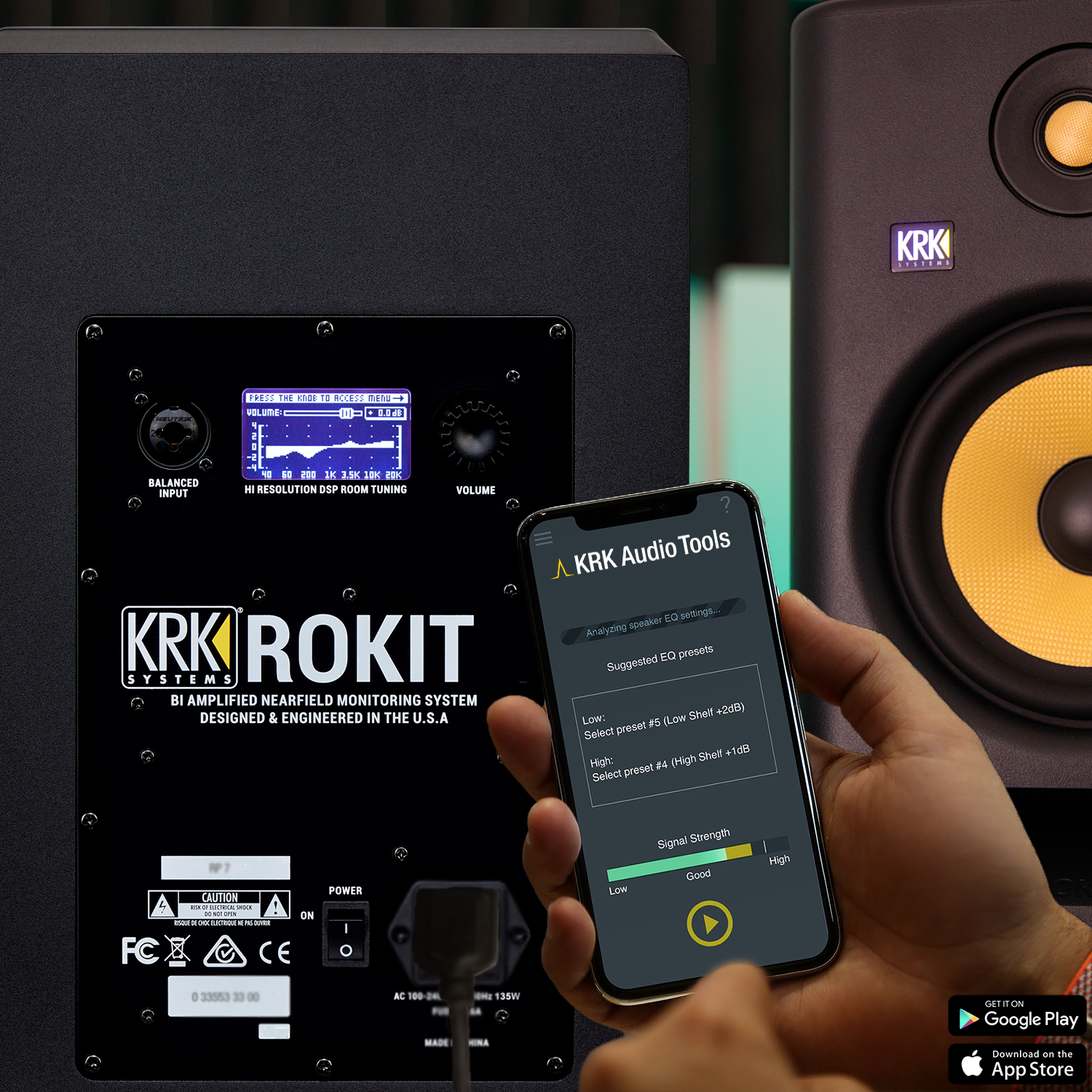 This EQ Recommendation tool is really what separates the ROKIT G4 from any other monitor on the market. Simply stated, the KRK Audio Tools app sends pink noise through the monitors and analyzes it along with the rooms physical environment. After this cycle, the app will recommend the best EQ preset on the ROKIT G4 getting the user to a “flatter” working environment. Why is this important? Because when you are “mixing” music you want the most accurate representation from the monitors so that you can make precise mixing decisions.
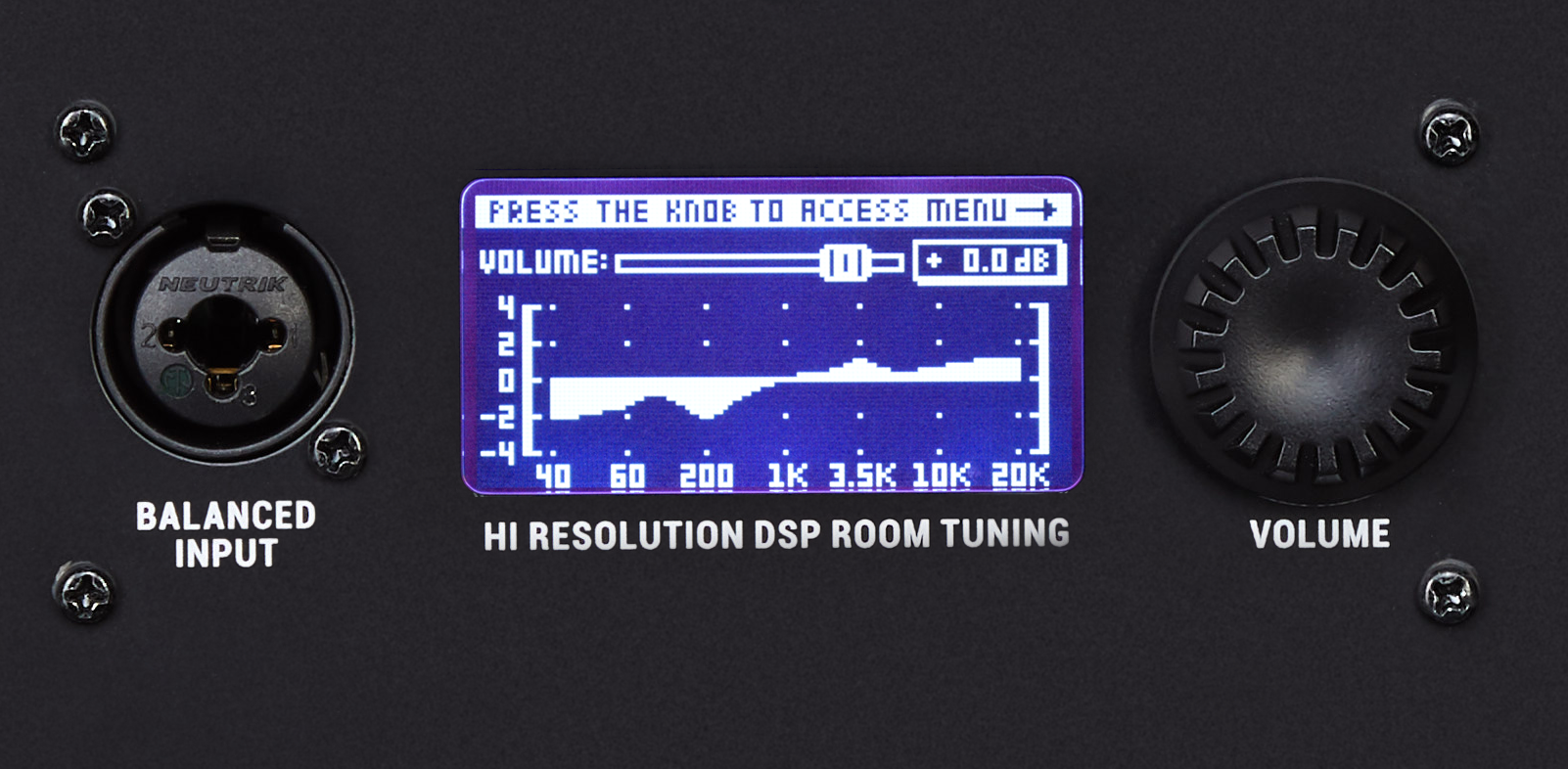 One more advantage on having the built-in EQ is the option of diversity between “creating” and “mixing.” Sometimes when we create music in different genres, we want to feel more energy from our environment. The older ROKIT generations where known for this “vibe” and really gave the creator some thump on the low and low-mid frequencies. That “thump” can still be obtained with the ROKIT G4 by adjusting the EQ settings to your taste, so you have the best of both worlds between music creation and music mixing.
 ROKIT G4 monitors have high-density isolation pads on the bottom which help decouple them from the surface they are on. This helps with frequency definition and a more focused sweet-spot. They also have an on-board limiter working with the power amp in an unobtrusive manor which kicks in only when the system has hit its limit. This has two benefits: to protect the system from damaging the drivers, and to also give you clear consistent sound reproduction at very high volumes (SPL). In testing KRK ROKIT G4 with other monitors in its price class you will find the competitors either greatly distorting or even shutting down altogether with possible damage.
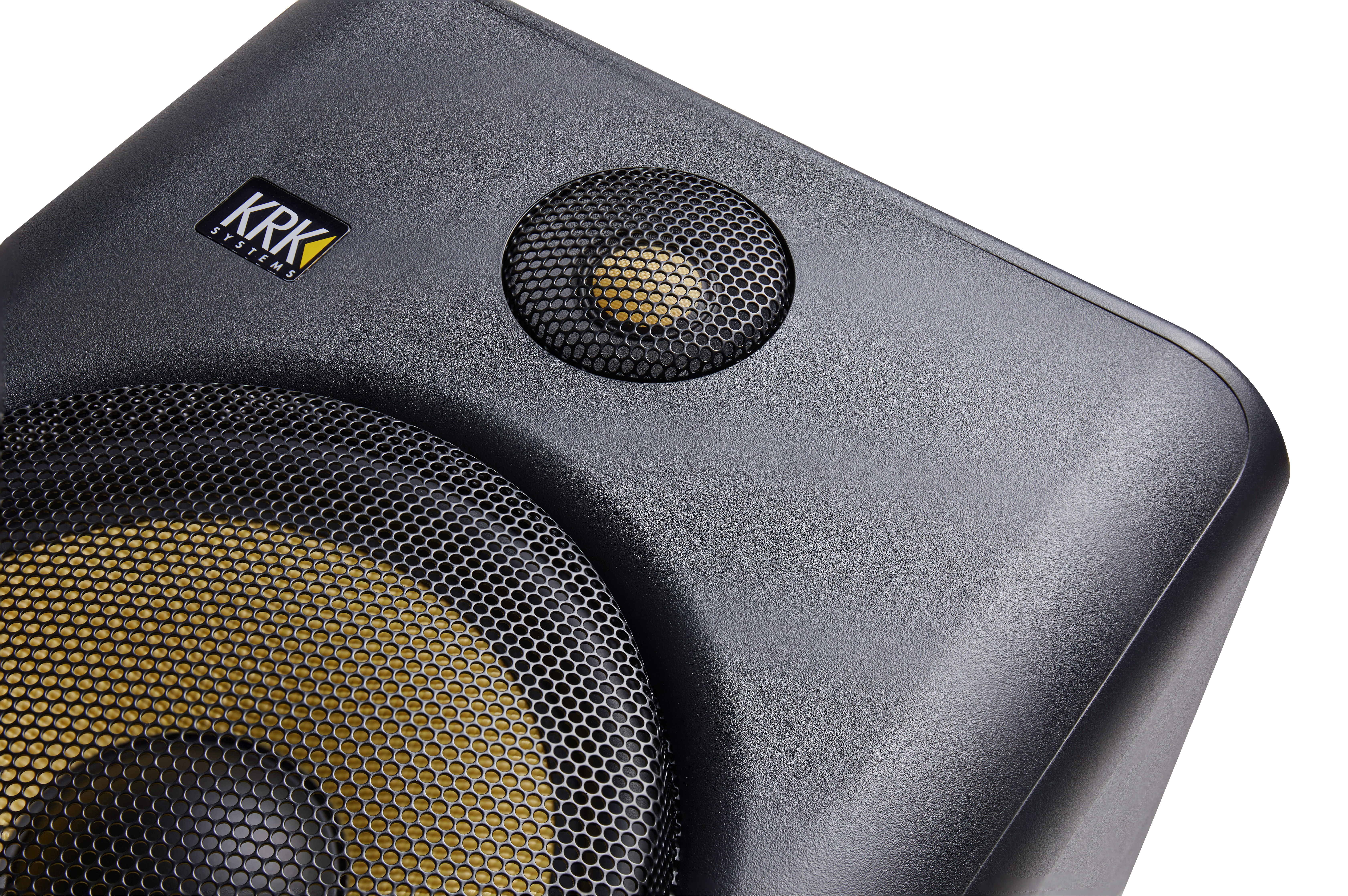 No other monitors in the ROKIT price class offer an option for protection. You put a lot of time and effort into your music, and KRK ROKIT G4 Studio Monitors are an investment into that dedication. Fortunately, you can protect them with the new stylish ROKIT G4 Grille Covers made specifically for RP5G4 (5”), RP7G4 (7”) and RP8G4 (8”). These grilles are made with premium components and built to spec insuring a seamless integration into the monitor’s cabinetry system itself. The form factor of these stylish monitor accessories have been tested not only for solid protection against all elements, but also to ensure that no frequencies are hindered by their use. Durably crafted perforated steel is the defense mechanism in place from anything getting between the monitor’s drivers and your environment. Whether you’re a producer on the move creating tracks in different places, a touring DJ, or in need of protection against whatever alien-intruders you fight off in your studio, ROKIT G4 Grille Covers will have you protected.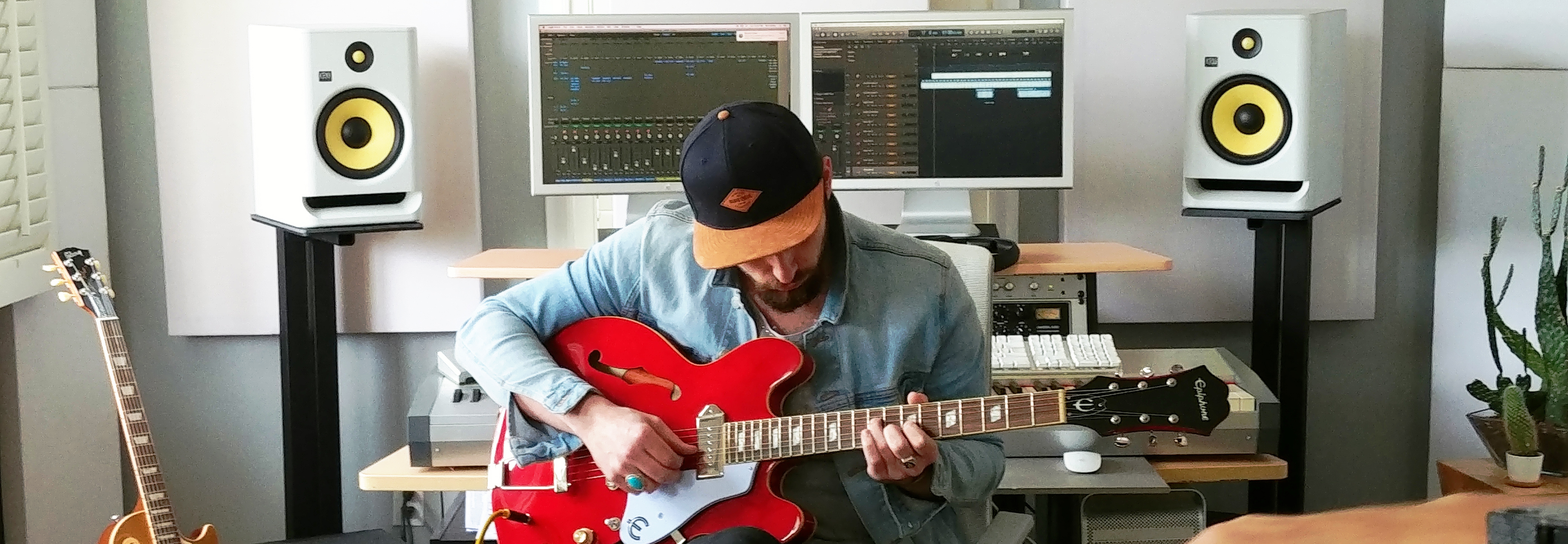
 Just like KRK Systems, ROKIT G4 user Gabe Simon is Behind Great Music as an all-in-one songwriter/producer/musician. He began his career while in college, writing for and fronting the indie-rock band Kopecky which had great and widespread critical acclaim and Alternative Radio success for the 2012 release of “Kids Raising Kids” via ATO Records and the 2015 sophomore release of “Drug For The Modern Age.” Since then, Gabe has been busy producing and writing songs for numerous projects including Dua Lipa, Wilder Woods, Jai Wolf, American Authors, Adam Lambert, Coin, and Fever 333 to name a few. Gabe is currently working with Grandson, MXMTOON, Miya Follick, Whethan, Lovely the Band, and Grizfolk.
 I think people have trouble getting into co-writing because they think it’s scary to work out great/shitty/weird ideas in front of people. Or they think it reflects on their creativity in some negative light. But music is collaborative by nature. Playing guitar in your room is just playing guitar, but bring a friend over on drums and it becomes music. A great idea can happen in a split-second flash and if you’re not paying close attention, the moment will slip by without anyone noticing.
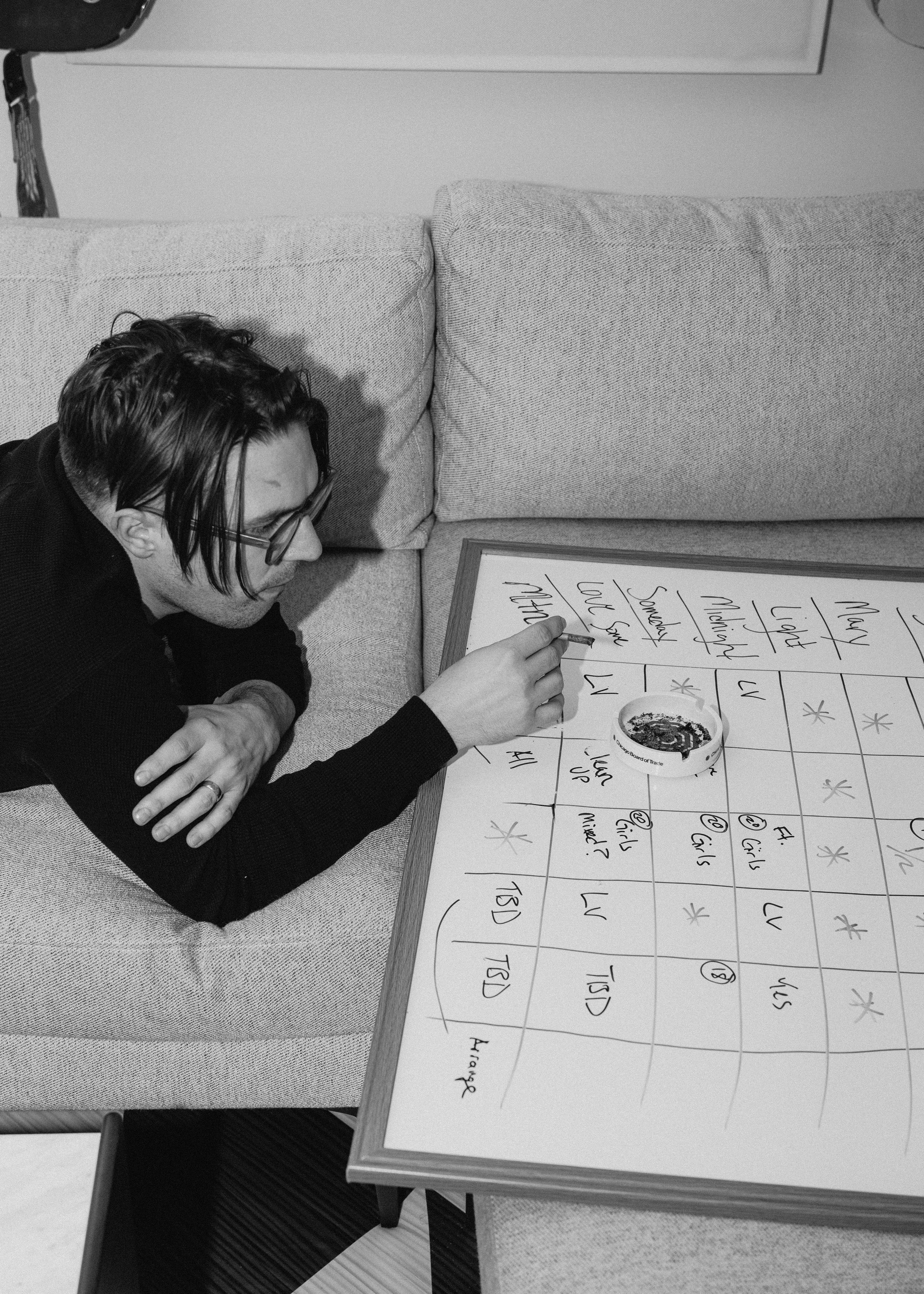 I find co-writing is all about scene changes. The idea that sparked the excitement might come from a guitar and vocal, but the concept for verse two starts with an 808 or Mellotron line, so I want to be ready to run. I understand this isn’t feasible for everybody, but the more you can streamline your set up, the better. It helps you get out of the way and allows the music to happen.
 But it all comes back to the moment when the universe aligns, all existence is at peace, and the greatest song idea ever is born. That moment usually happens when you’re dropping the kids off at school, or cowering in a coffee shop, or out of breath on a treadmill, but the co-writing session begins before the co-writing session. It doesn’t matter what the style is: trap, hip hop, rock, alt, pop, bedroom, electronic, or just plain old piano vocal – but come into the room prepared with something.
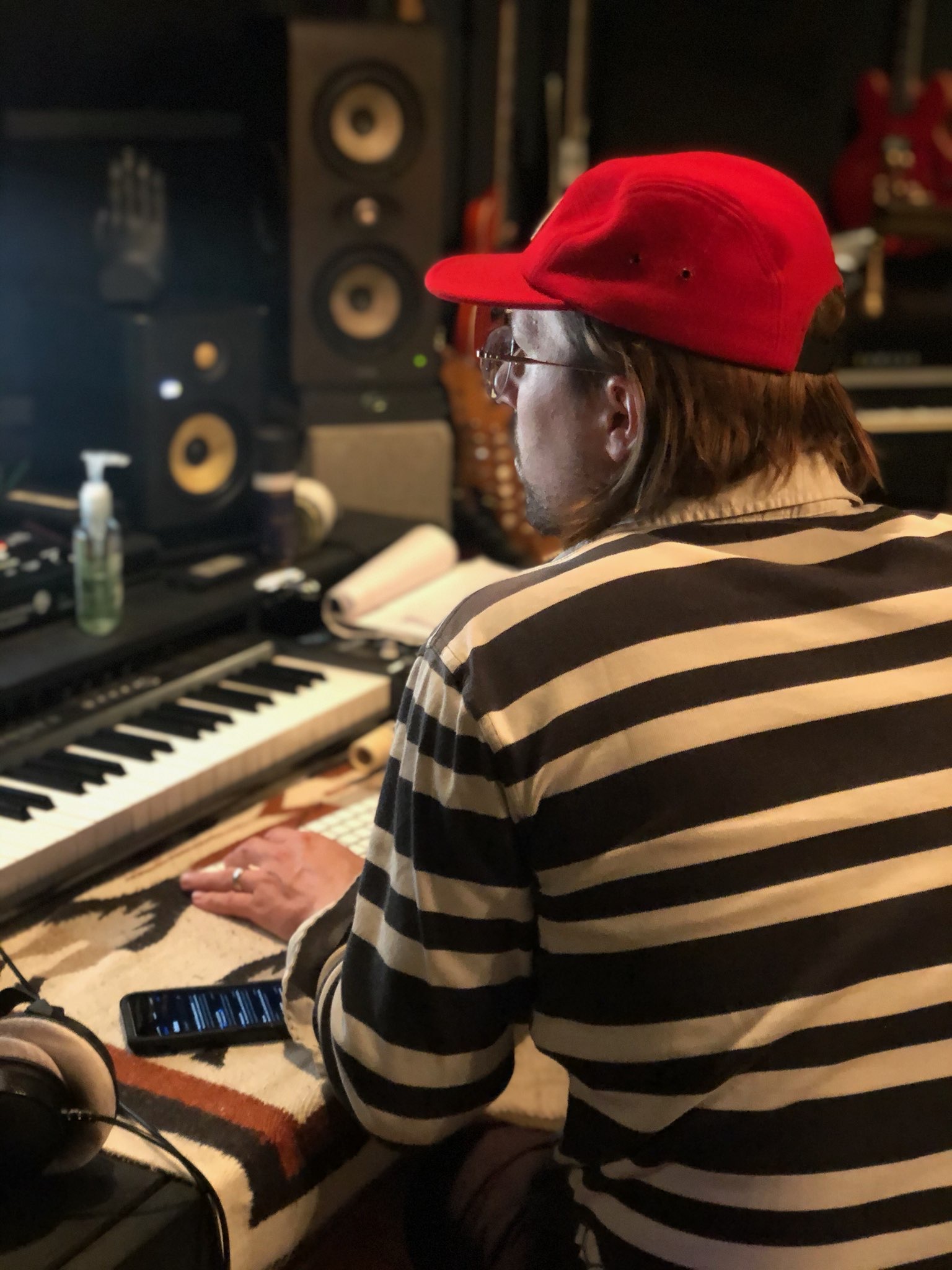 Some of my best ideas come from this process. I have over 10,000 voice memos on my phone and only around 20 are worth a replay. Or at least that’s what I think… Sometimes I send one of those other 9,980 ideas to my manager or publisher who say, “You know, this song ‘New Recording 5938’ is kinda dope”. That’s the best and worst part about managers and publishers; they make you question everything. Sometimes you send what you think is the best idea ever – I mean “Let It Be” on MDMA – and get a… “Meh”.
 My publishers (Pulse) are badasses. Not only do they make sure songs are registered properly with ASCAP (or whichever Performing Rights Organization you like), they do all the yucky split stuff. It’s usually easy: 3 people in the room, let’s split three ways. But sometimes, you got a dude who has a dude, and they brought in their mom, and her sister adds a snare on the last verse, and the artist wants 25%. Suddenly, you’re only getting 5%… so you need a publisher and a manager who fight for every piece.

 Getting back into the studio, I sat down to listen to what they’d recorded and as soon as my bro Aaron pressed play, my phone began to vibrate. I excused myself once more to take the call and it was my friend Ranae, her tone was excited but serious. She got straight to the point, “Hey Dennis, so this is urgent! I have a friend who is a producer at American Idol and he’s looking for talent. He asked me if I knew anyone and I immediately thought of you! This is no joke—super serious!” Before I could spit out my response, she said, “If you’re down, please send me a video of you singing and playing guitar, ASAP!” Of course, I said, “Well hell yeah I’m down—I’ll send it right over!” To that she responded, “I’m so excited for you! I’ll forward it to him when I get it, and he’ll call you today or tomorrow, so glue your phone to your hand or something!” He called me that same day and well, the rest is history…
 Later that week I found myself standing in line with thousands of other musicians, each of us about to take on the opportunity of a lifetime. I stood in front of Lionel Richie, Katy Perry and Luke Bryan. I grew up listening to a lot of rock and artists like Lionel, and not many people knew how big of a KP fan I was. Sometime after I had first moved to LA, I went to Runyon Canyon. Me and my bro Will overheard a tour guide from the bus yelling “And THIS is Katy Perry’s house!” That was a big deal because again, I loved Katy Perry. I said to myself “One day, I’m gonna meet her out here.” What were the odds that the American Idol show would be revived, I’d get a call to audition, and that KP would be one of the judges? – good enough apparently!
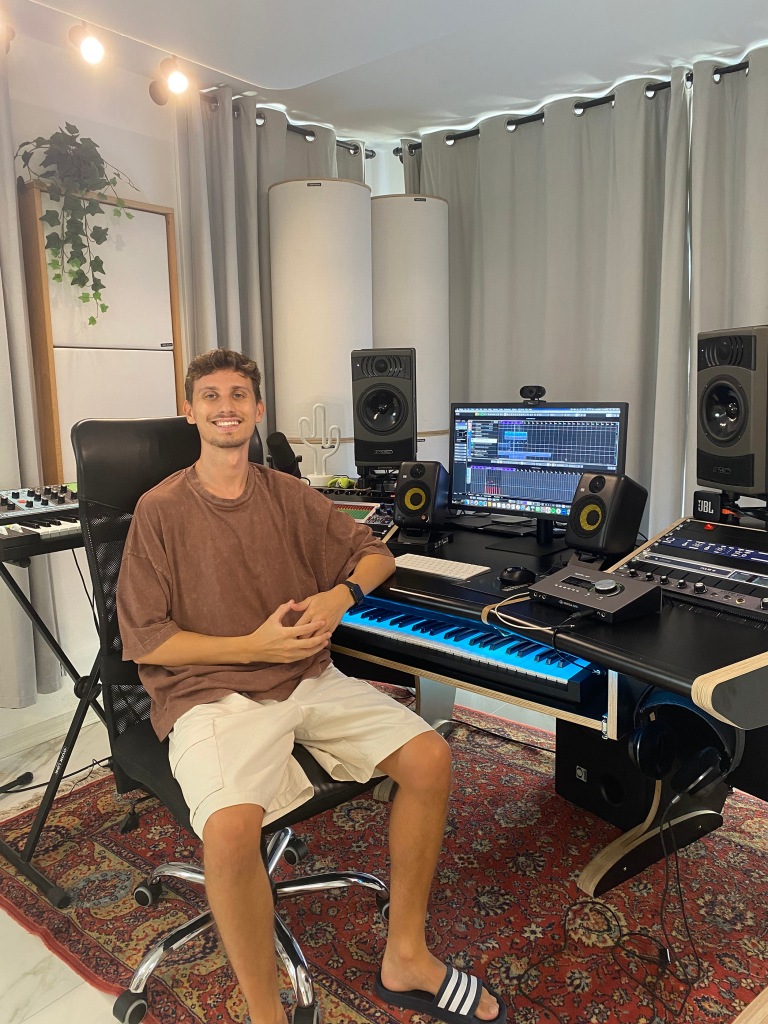
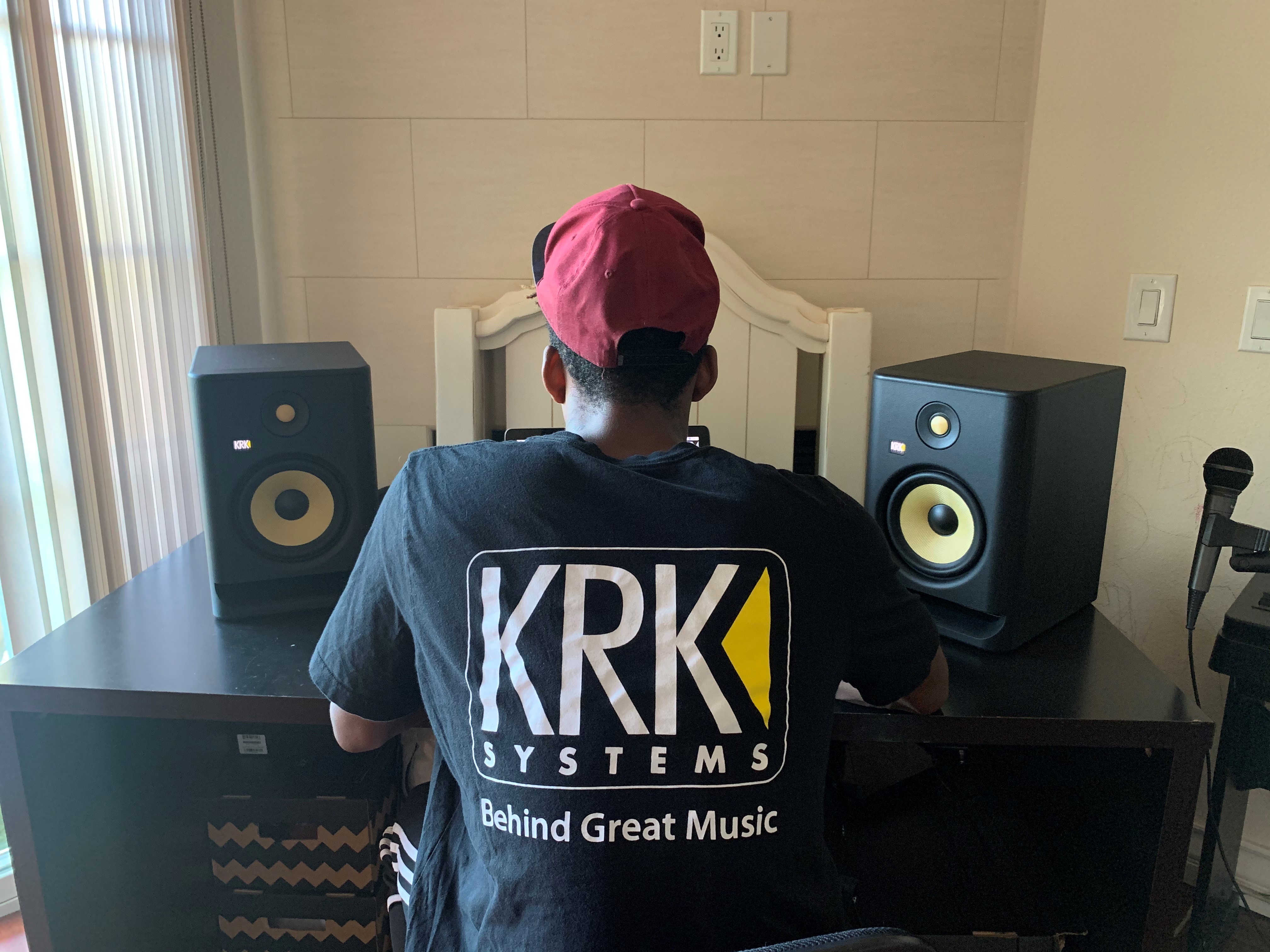 There’s also one final thing I want to share with you! If you’re an artist and you’re reading this because you’re a fan of mine, or because you just want to read what some guy who almost won American Idol has to say, get a home studio setup! To those who already have one, and I know there are many, you’d be surprised how many artists don’t take that leap. So, here’s what you’ll actually need:
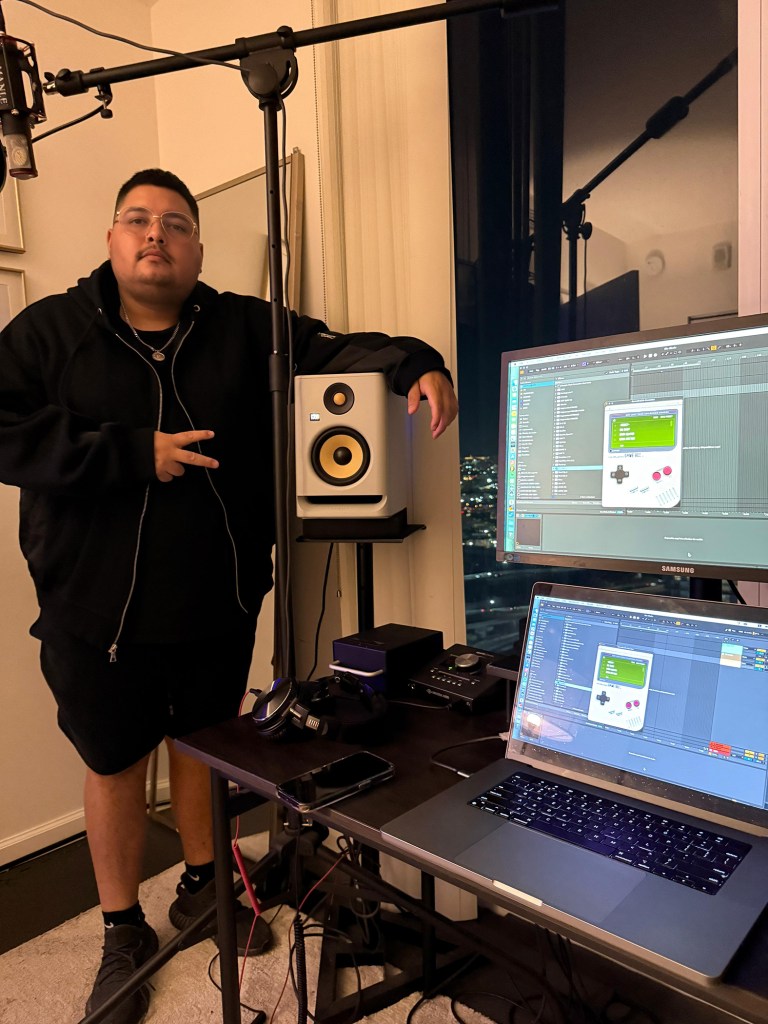
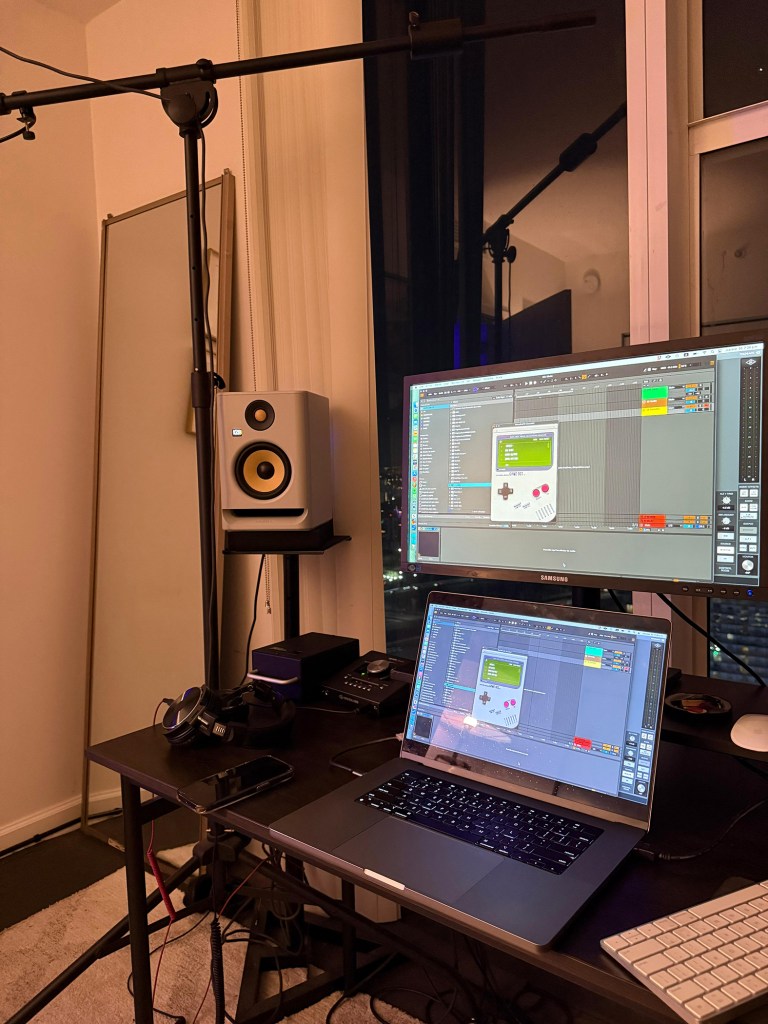
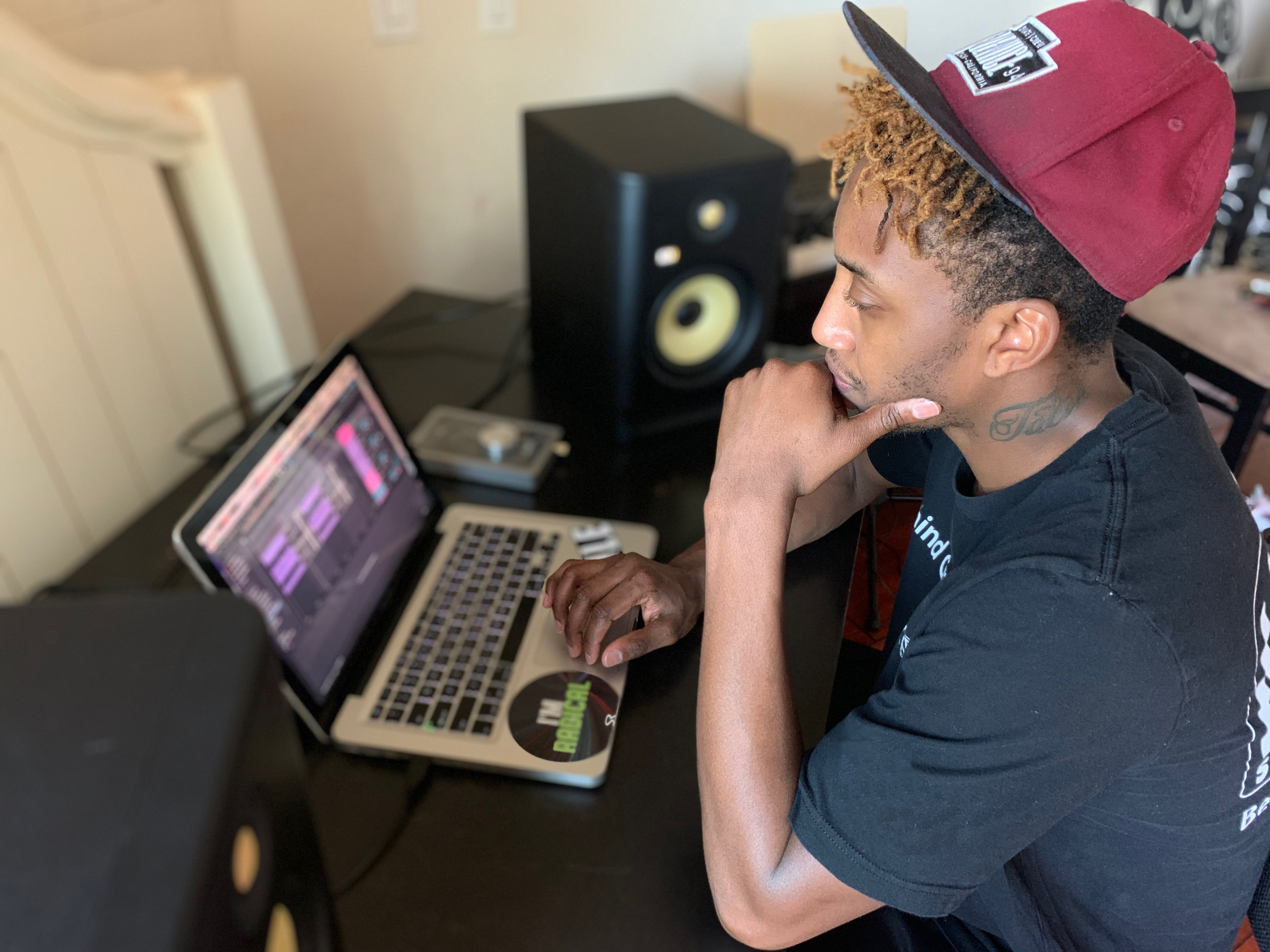 Here’s a list of what I use: MacBook Pro, Logic and Ableton Live, Apogee Hype Mic, a pair of KRK Rokit 7 G4s (these are really great speakers for a home studio!), Yamaha Portable Grand, Stage Stands mic stand, Audeze LCD-1 headphones, KRK KNS800 Headphones (for mix reference), Apogee Duet, and some random studio chair I found a few blocks from my house.
 One final, final thing to note: I know how this business can be, so getting help as you navigate through is a must. With that, I hope this article was of some help to you, until next time, rock on!
 Behind Great Music